

Over the 2025–2026 fiscal year, the Survivors’ Secretariat continued to create spaces for truth-telling, healing, education, and advocacy under the guidance of Survivors. Although federal funding was not approved until March 29, 2026, just two days before the fiscal year ended, the work was able to continue through donations, project-specific funding, and the generous support of community partners.
The Secretariat is grateful to the many organizations, communities, and allies who stood alongside Survivors in the shared commitment to Bringing the Children Home.
This review highlights the key milestones, initiatives, and achievements of the 2025-2026 fiscal year. Together, these efforts reflect the ongoing commitment to uncovering, documenting, and sharing the truth of the Mohawk Institute and its 140+ years of operation.
First Quarter (April - June 2025)
The first quarter of 2025–2026 focused on strengthening the Secretariat’s research, investigations, and organizational capacity while expanding community engagement. Significant progress was made on the Stolen Childhoods travelling exhibit, including exhibition development and the recording of Survivor testimonies.
The Ground Search team expanded its focus from primarily fieldwork to data analysis and methodology development, creating the foundation for future investigations. The Secretariat established a collaborative relationship with the Office of the Chief Coroner to advance investigations into 105 child deaths known to occur while associated with the Mohawk Institute.
In addition, the Secretariat’s community archive reached a functional, researcher ready standard, equipped with global search and advanced query capabilities that support Indigenous data governance and improve access to catalogued records.
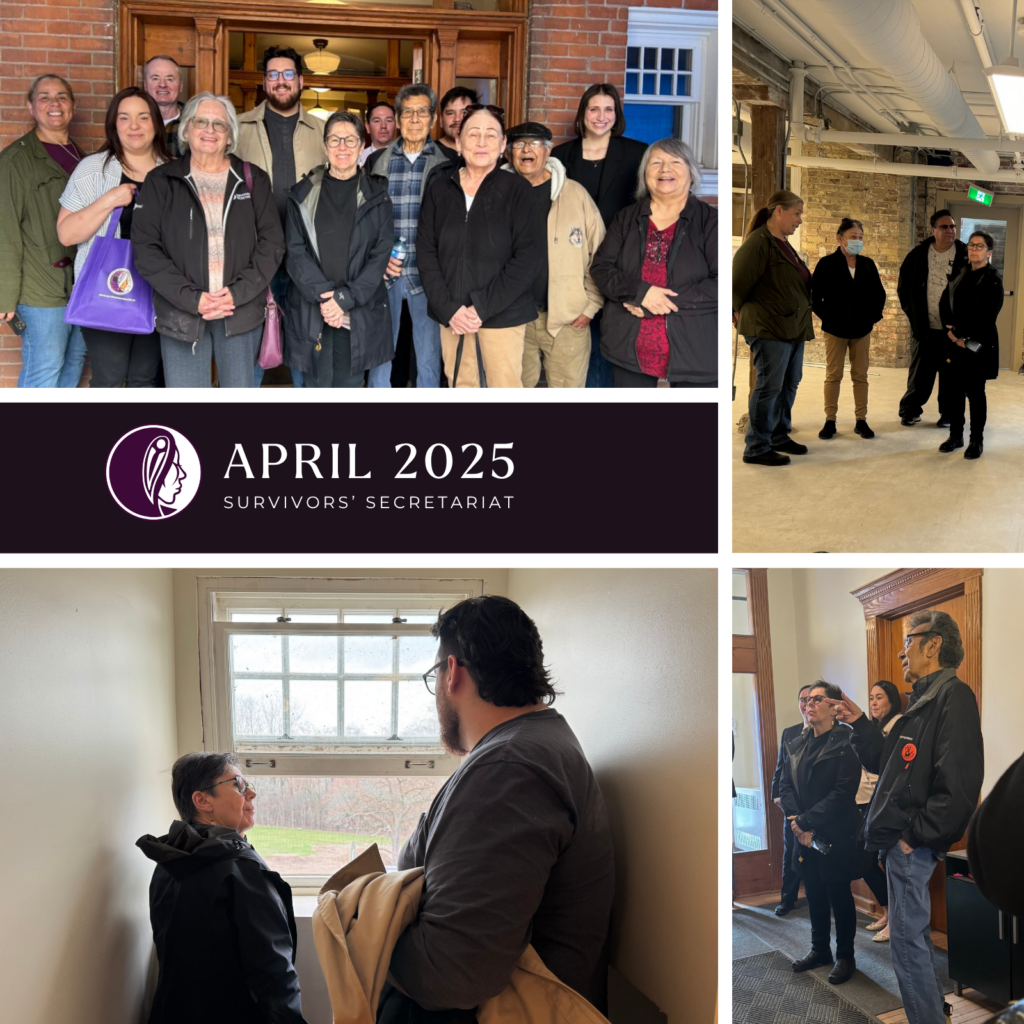
In April, the Secretariat advanced community outreach, wellness support, and public awareness activities throughout the month. Senator Kim Pate met with the Board and staff and toured the former Mohawk Institute at the Woodland Cultural Centre, where discussions focused on the need for sustained federal support for Survivor-led investigations, healing, commemoration, and the release of Indian Residential school records.
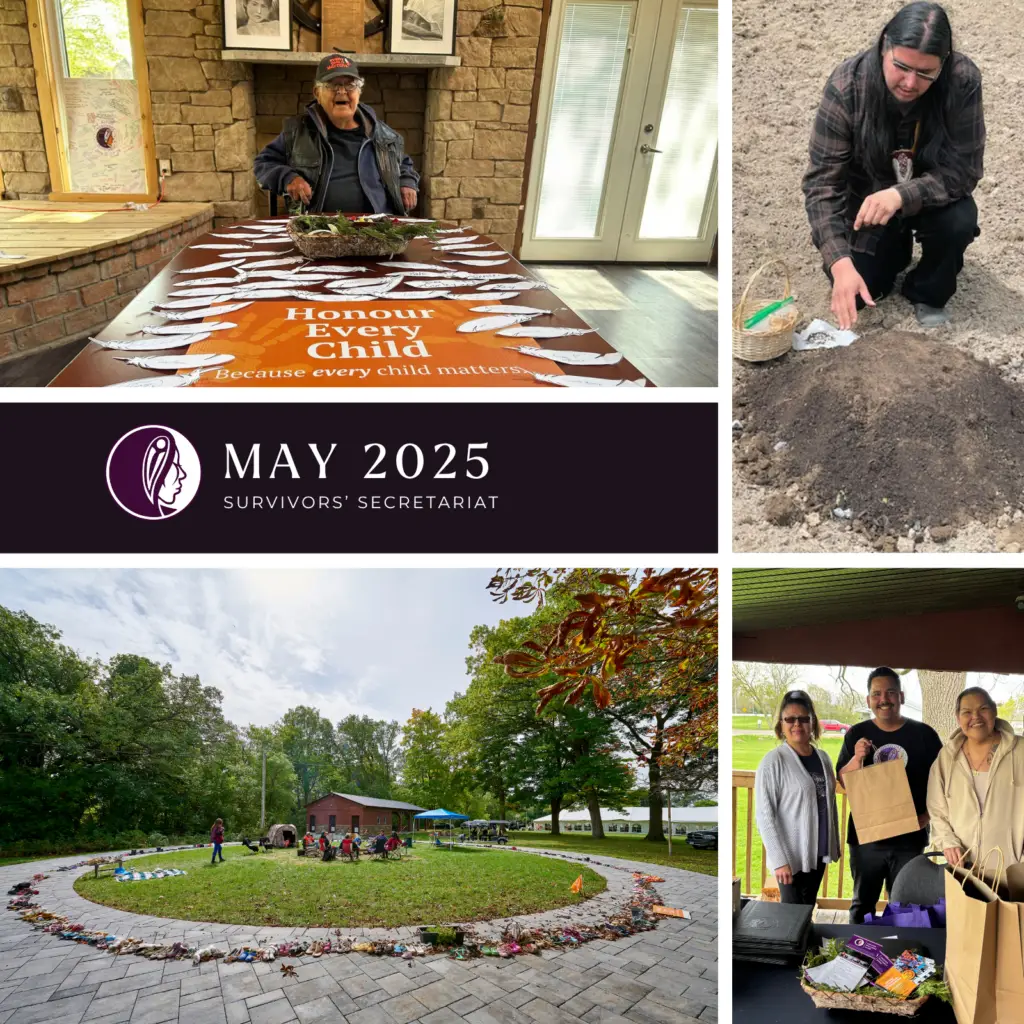
In May, the Secretariat welcomed community members to its annual Six Nations Community Awareness Open House to share updates on Survivor-led investigations into the Mohawk Institute. An opening ceremony at Mohawk Chapel grounded the Youth Supporting Survivors Ground Search Team before fieldwork began, ensuring cultural and spiritual safety. Recruitment of new summer students and rehiring of four returning students expanded youth capacity to support truth telling, commemoration, and GPR‑related work.
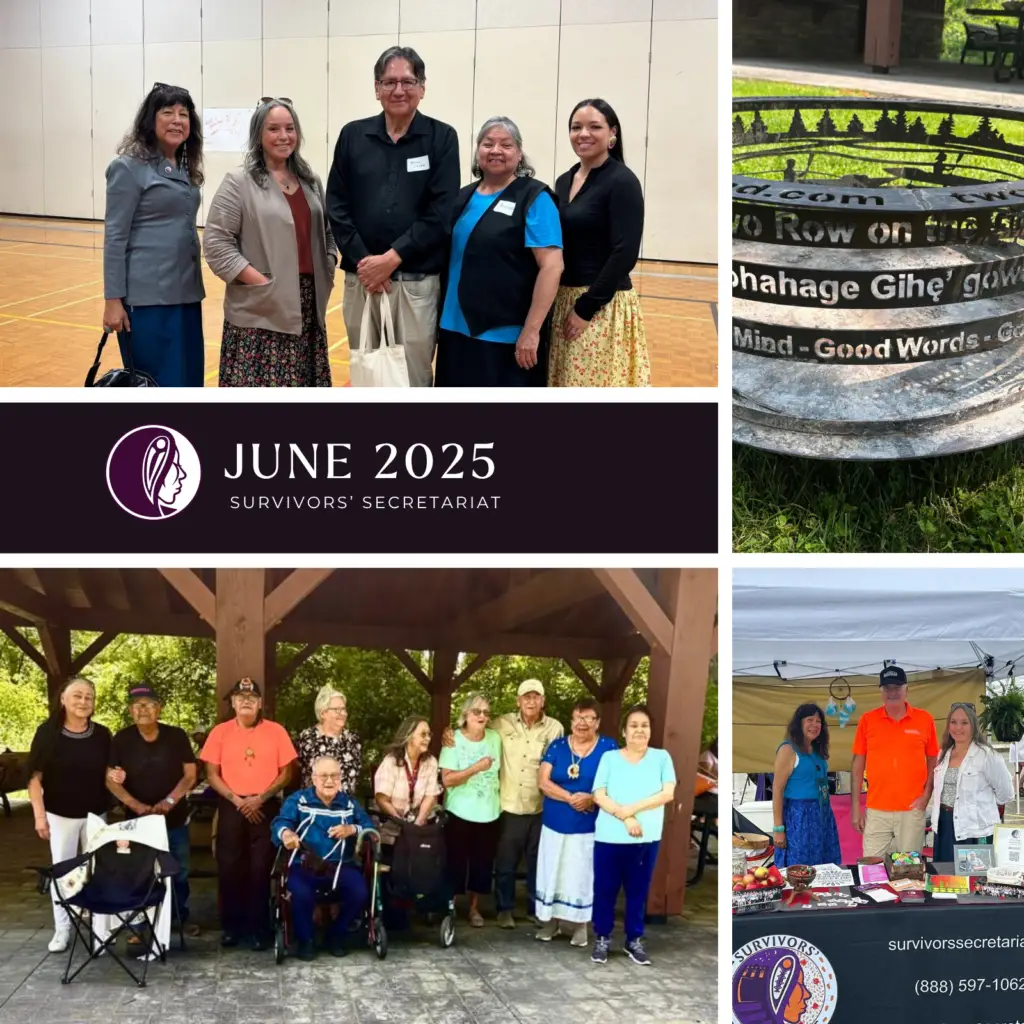
During National Indigenous History Month in June, the Secretariat increased its presence at community events, educational activities, and cultural programming. The Students Supporting Survivors Summer Program (YSSP) launched with support from Six Nations Health Services, providing critical stability after federal funding was denied for the 2024–2025 fiscal year.
Training for the Ground Search Team continued with Grid Set Day and Total Station instruction led by archaeological advisor Ed Eastaugh. Staff and students participated in cultural teachings, including a Three Sisters Garden workshop and Strawberry Thanksgiving, reinforcing values of collaboration, land‑based learning, and community wellness. A three sisters garden was established at the Secretariat office as a space for reflection and learning.
Second Quarter (July–September 2025)
This quarter was marked by significant progress in investigations, commemoration, and research. The Secretariat secured Heritage Canada funding for the Stolen Childhoods mobile and travelling exhibit, allowing the project team to finalize exhibition content.
The Secretariat increased academic engagement through presentations on Survivor-led investigations, ethical documentation, and Indigenous data sovereignty.
The Ground Search Department completed additional GPR surveys, advanced GIS and data analysis, and maintained construction-site monitoring within the 607.5-acre buffer zone of the former Mohawk Institute.
Partnerships and knowledge collaborations with universities, archeologists, and Survivor-led investigations. This helped to support LiDAR processing, forensic research, and archival data integration. By the end of the quarter, Ground search had surveyed 18.86 acres (536 grids), reaching 3% of the 607.5‑acre search area, with some grids resurveyed to correct earlier mapping.
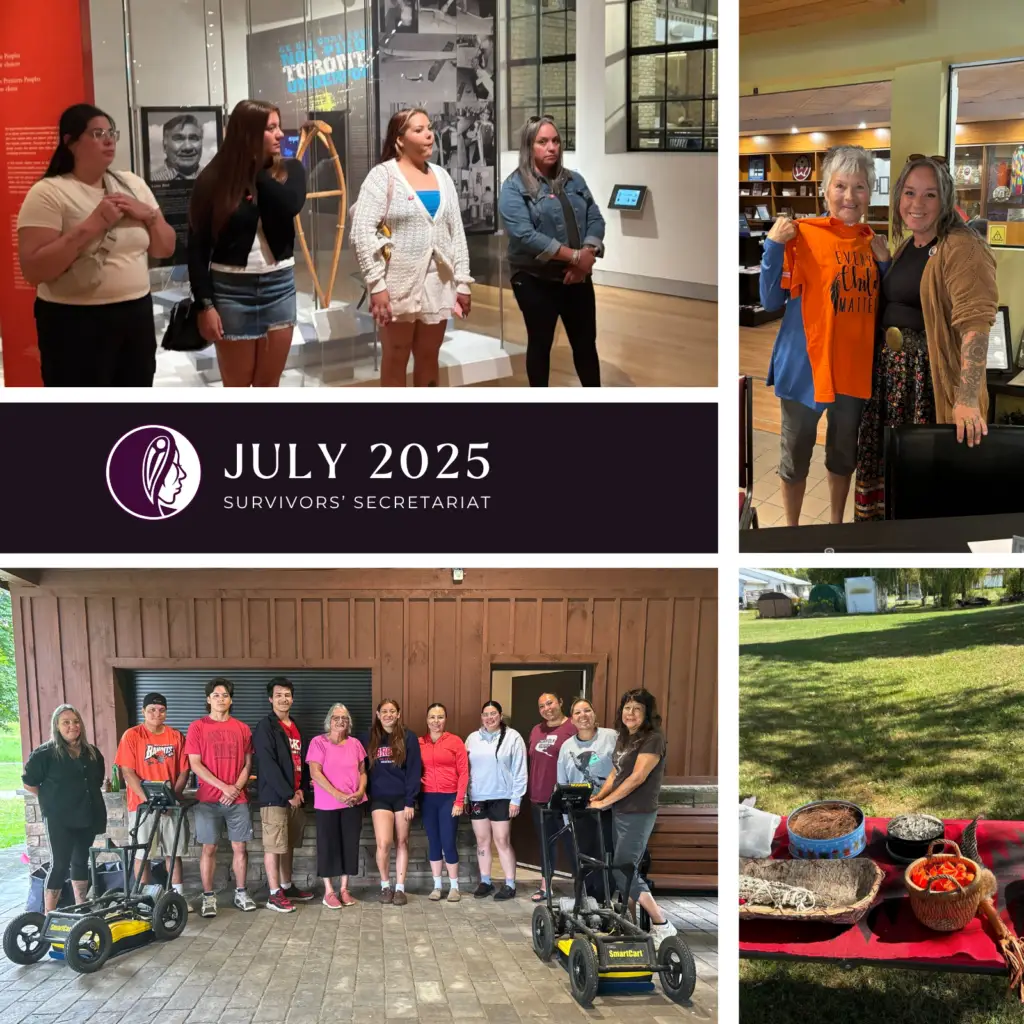
July focused on cultural engagement, governance, and regional outreach. The Secretariat maintained a strong presence at cultural, educational, and commemorative events across Ontario, including presenting at the Nishnawbe Aski Nation National Gathering in Ottawa, where staff strengthened relationships with First Nations communities undertaking similar truth-telling and investigative work.
Staff attended the Auschwitz: Not Long Ago. Not Far Away. exhibition, reflecting on genocide, resilience, and the ongoing responsibility of truth-telling.
The Secretariat welcomed three new Board members, Kathy Mair, Leo Nicholas, and Alfred “Lonnie” Johnson, whose leadership further strengthened Survivor-centred governance. Staff also participated in the Shingwauk Gathering in Sault Ste. Marie and the Two Row on the Grand paddling journey during their stop at the former Mohawk Institute.
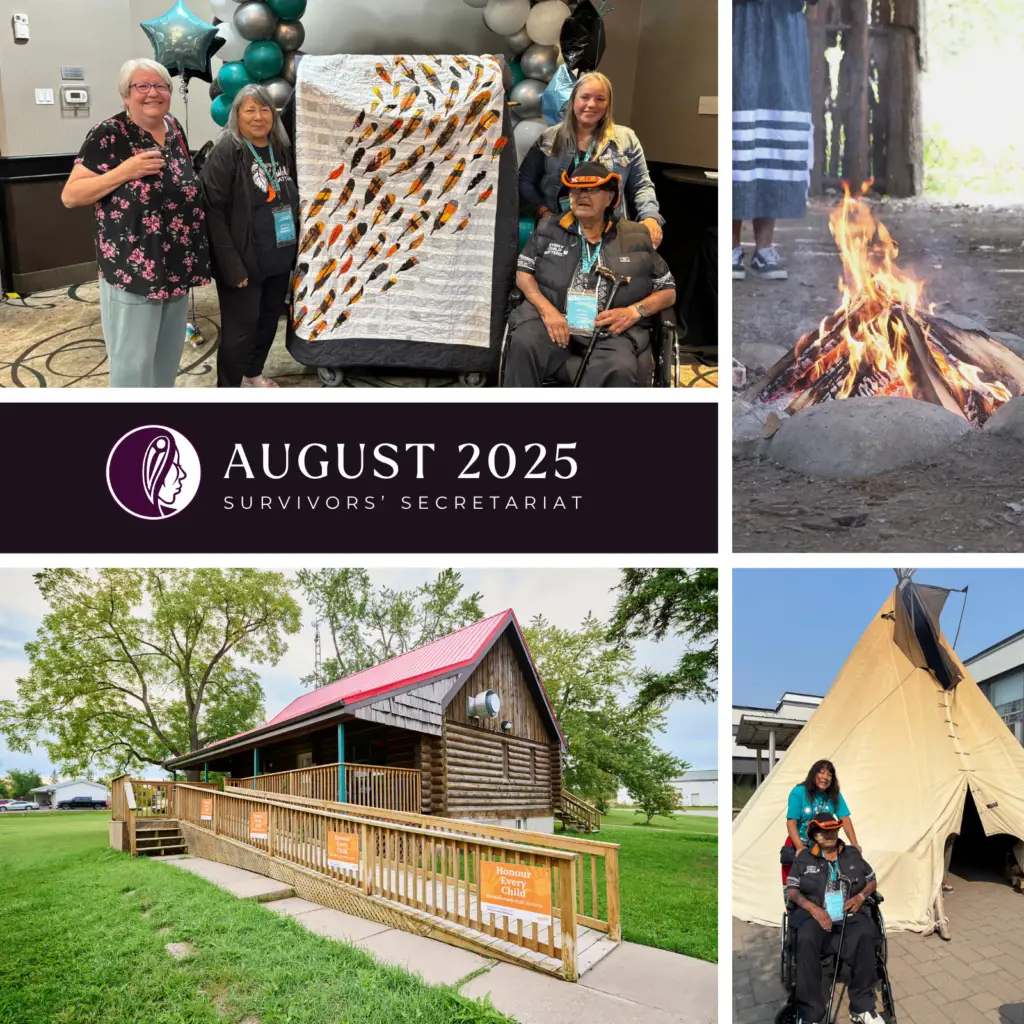
In August, the Secretariat celebrated another successful Youth Supporting Survivors Summer Program were recognized with eagle feathers, generously donated by African Lion Safari, in honour of their dedication, compassion, and contributions to truth-telling, ground search investigations, and community healing. The program continued to demonstrate the importance of intergenerational learning and youth leadership in carrying this work forward.
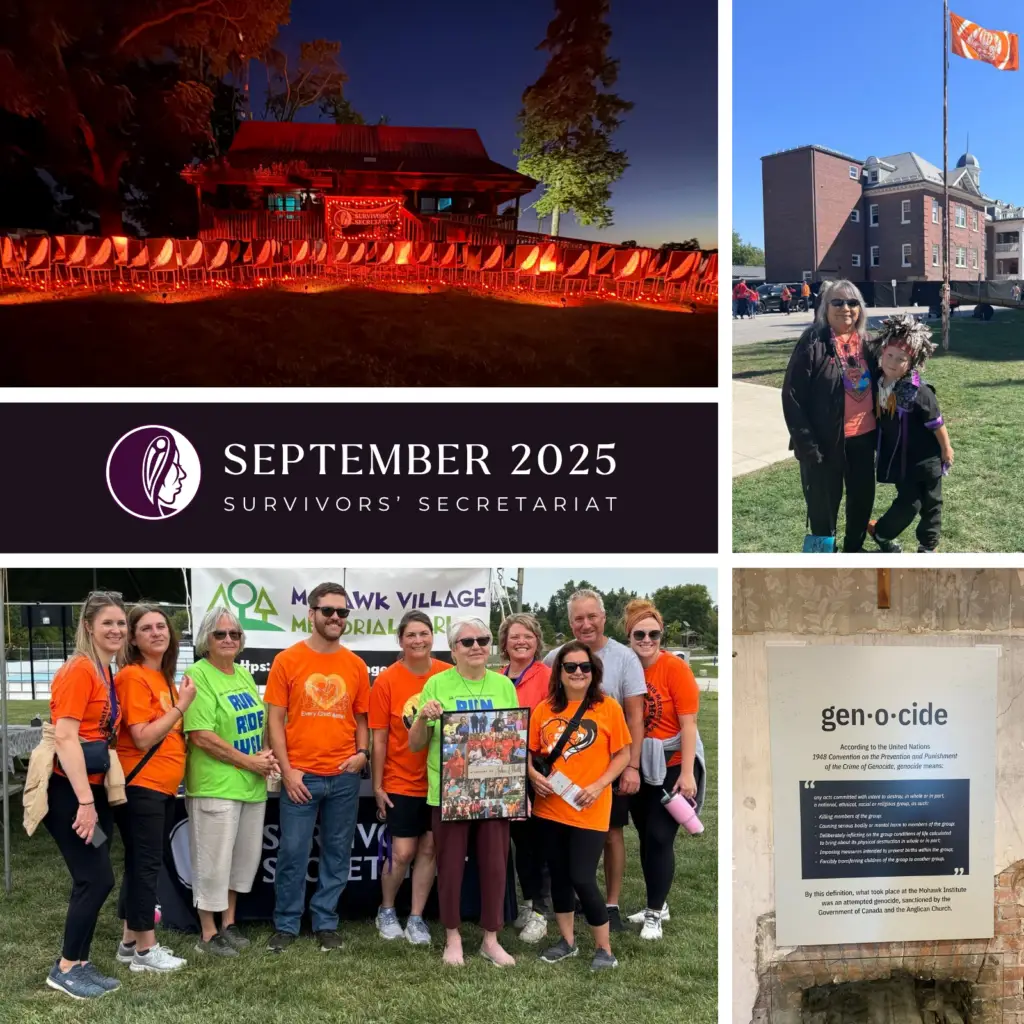
September highlighted the Secretariat’s ongoing commitment to public education, commemoration, and reconciliation. Staff, Board members, and Survivors attended the grand reopening of the Woodland Cultural Centre, now recognized as an interpretive historical site. The event created an opportunity to honour Survivors while increasing public understanding of the history and ongoing impacts of the Indian Residential School system.
Throughout the month, the Memorial 105 Display, arranged in the shape of an eagle in flight, was featured at the Secretariat office to honour the children who never returned home. Community support for the Secretariat’s Orange Shirt campaign continued to grow, with organizations purchasing shirts to raise awareness and demonstrate solidarity.
The Secretariat also participated in the Walk for the Park at Mohawk Village Memorial Park in memory of former and late board member John Elliott, celebrating his lasting contributions and reaffirming the collective commitment to continue the work he championed.
Third Quarter (October- December 2025)
The third quarter focused on strengthening Survivor-led governance, archival work, and organizational capacity. The Secretariat advanced planning for the Stolen Childhoods mobile and travelling exhibit, with the full interpretive plan presented to the Board to guide final revisions.
Collaboration with the Office of the Chief Coroner of Ontario also entered a new phase through individualized document sharing for each of the 105 known child deaths, supporting ongoing investigations, accountability, and respectful record stewardship.
As seasonal fieldwork concluded, the Ground Search Department shifted its focus toward data analysis, strategic planning, and preparing for the next phase of investigations.
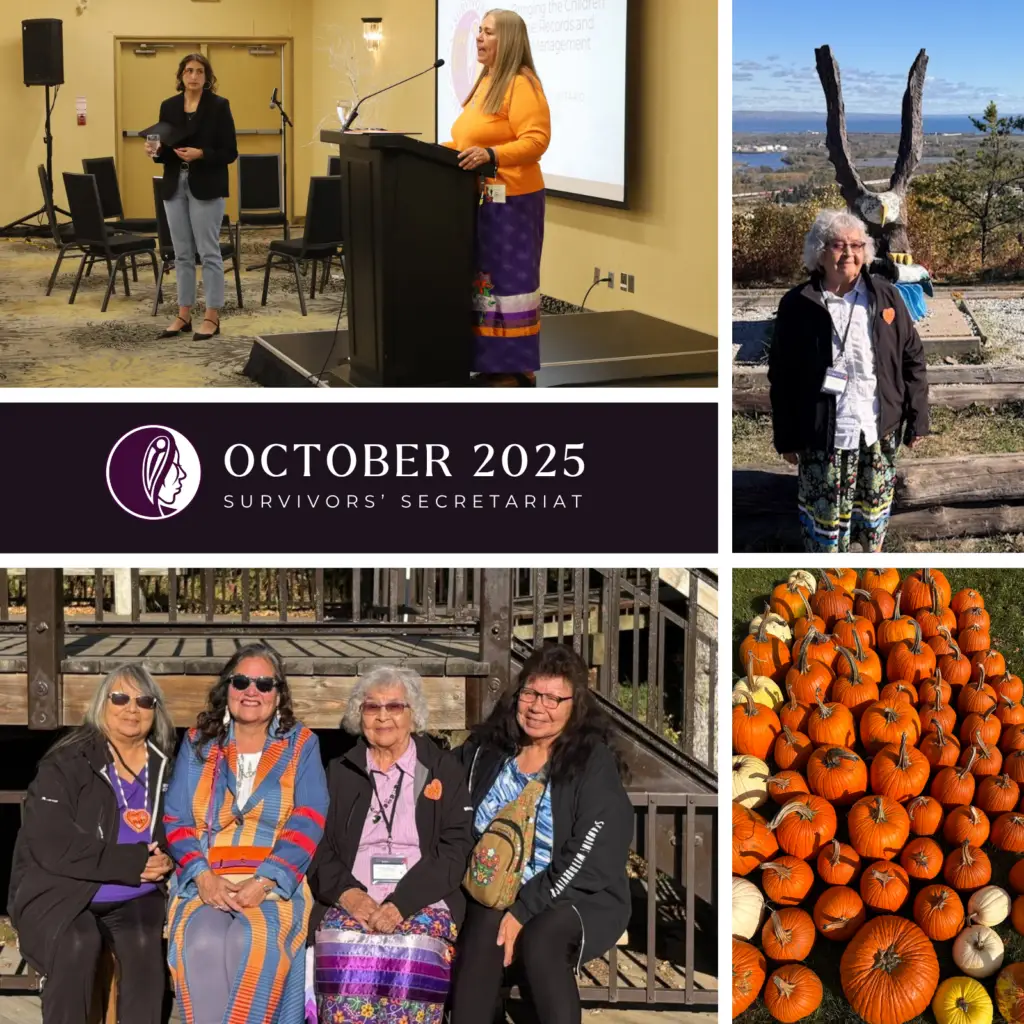
In October, the Survivors’ Secretariat hosted the annual Knowledge is Sacred, Truth is Healing Gathering in Thunder Bay with support from Six Nations Health Services.
Survivors, community representatives, researchers, and advocates came together to discuss Survivor-led investigations into missing/disappeared children and unmarked burials. Discussions included barriers to accessing Indian Residential School records and the ongoing need for sustainable funding for Survivor-led initiatives. The gathering also emphasized Indigenous Data Sovereignty, reinforcing that Survivors must guide how their histories, records, and lived experiences are protected, governed, and shared.
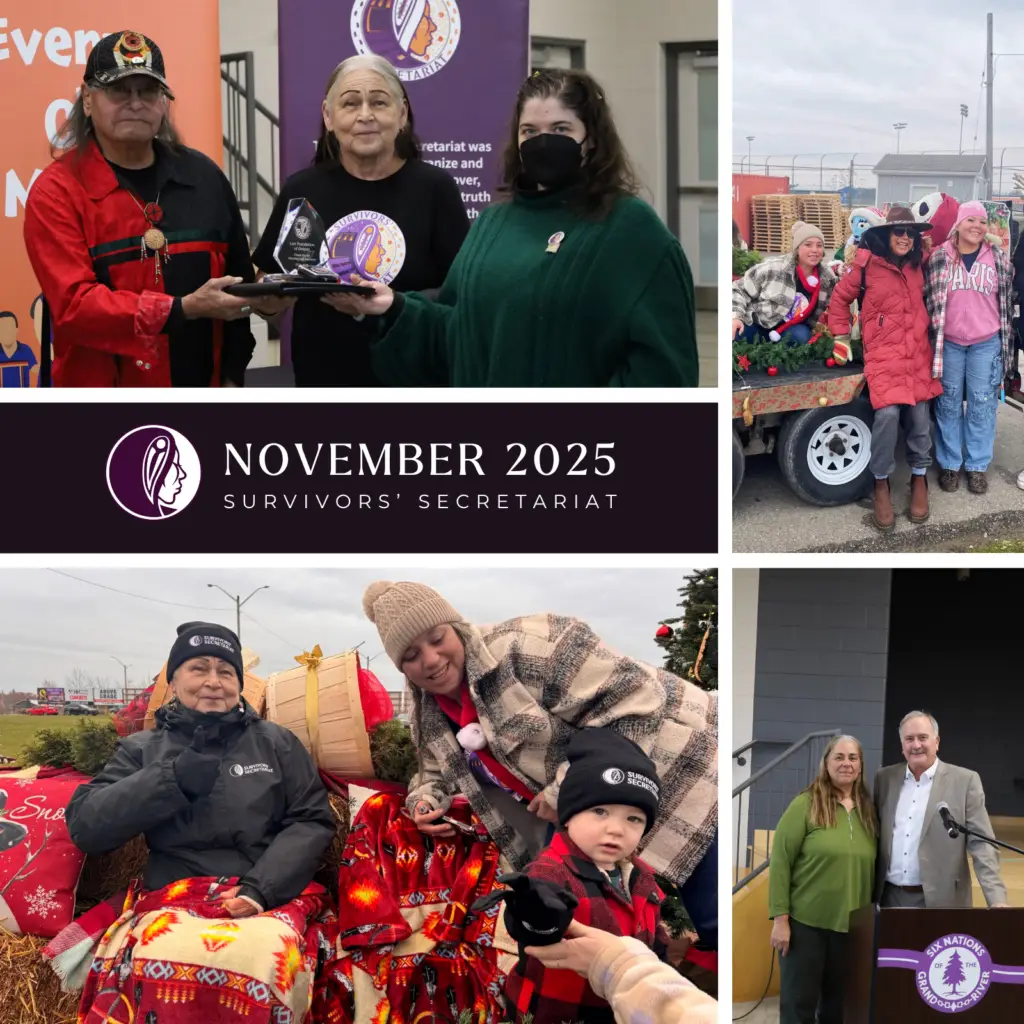
In November, the Secretariat held its Annual General Meeting, reflecting on accomplishments from the 2024–2025 fiscal year, sharing organizational updates, and recognizing the contributions of staff, Board members, Survivors, and community partners.
The Secretariat also participated in the Six Nations Santa Claus Parade, strengthening community connections while celebrating the beginning of the holiday season.
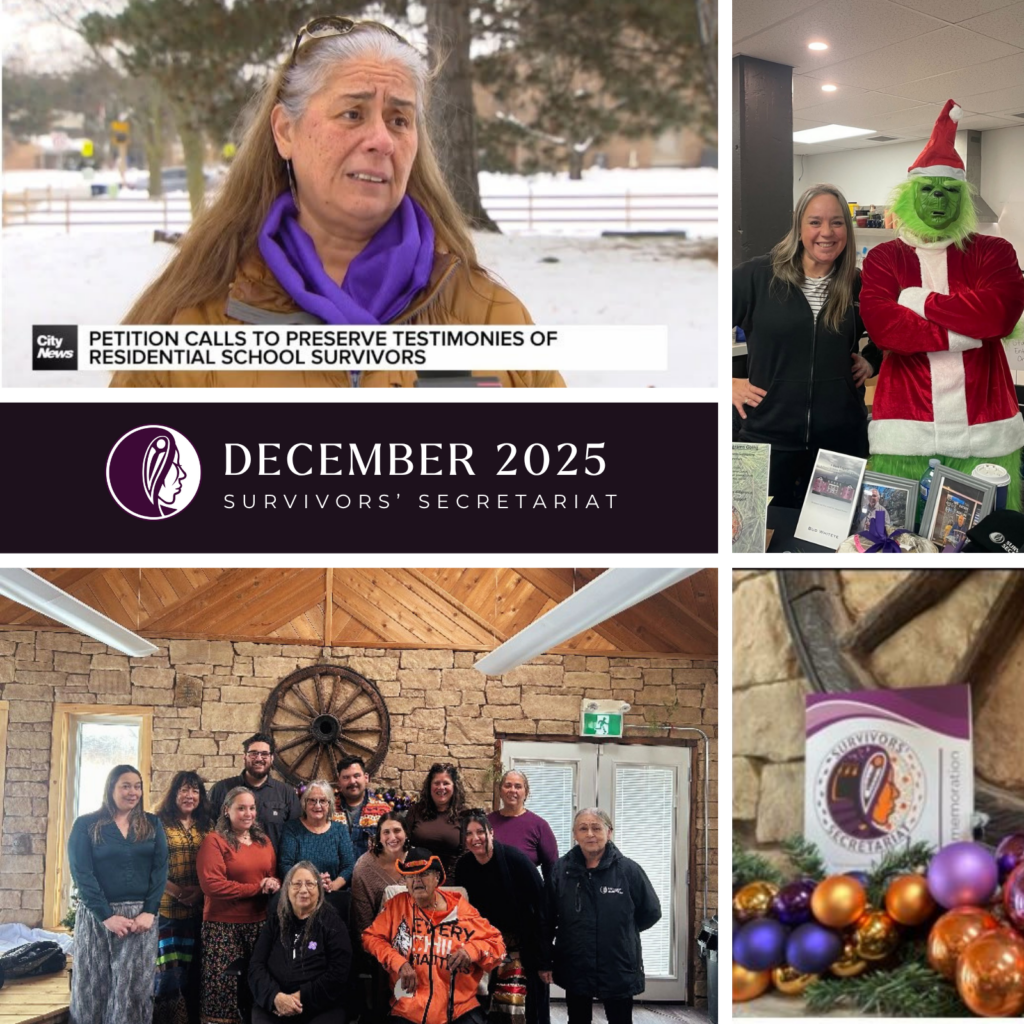
December focused on advocacy and community connection. The Secretariat hosted its annual Christmas potluck, bringing together Survivors, staff, students, Board members, and community partners to reflect on the year and celebrate the relationships that continue to guide this work.
Advocacy efforts also continued as Lead Laura Arndt spoke with CityNews about the urgent need to preserve Indian Residential School records collected by the Truth and Reconciliation Commission. The Secretariat encouraged Survivors to opt into preserving their records as they may contain critical information to support ongoing investigations into missing/disappeared children and potential unmarked burial sites. These records are at risk of destruction in 2027 unless Survivors choose to preserve them.
Fourth Quarter (January–March 2026)
The fourth quarter marked several important organizational milestones that positioned the Survivors’ Secretariat for the year ahead. After two years of development, the Stolen Childhoods travelling exhibit was finalized and prepared for fabrication.
The Ground Search team focused on advancing data management, GIS systems, and analysis planning while working with its archaeological panel and research partners to prepare for the next phase of Survivor-led investigations.
Together with the Ground Search team, collaborating experts established priorities for the coming year centered around data management, consolidation, and early-stage development of two major projects: GPR analysis and archival photography spatial analysis.
On March 29, 2026, the Secretariat also received confirmation of federal funding for the 2025-2026 fiscal year, just two days before year-end. The Secretariat was able expand its research capacity by hiring a full-time junior research role and continued to strengthen collaboration through coordinated research, document sharing, and community archive development.
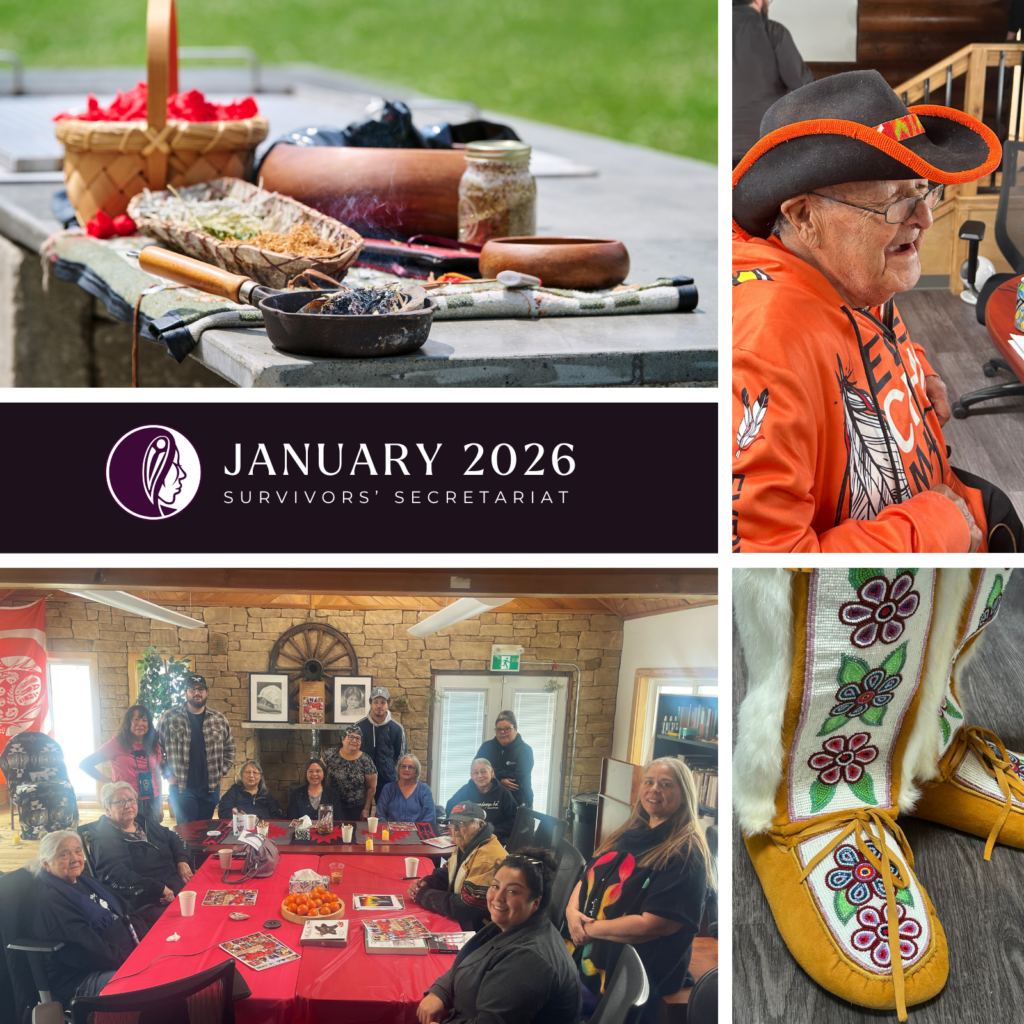
Throughout January, the Secretariat began the new year by strengthening partnerships, renewing relationships with community organizations, and planning collaborative initiatives for the months ahead. Staff participated in professional development opportunities and national discussions that reinforced the Secretariat’s commitment to Survivor-led investigations, truth-telling, and cultural safety.
A one-year Celebration of Life was also held for former/late Board member John Elliott, honouring his legacy and the lasting contributions he made to the Secretariat’s work.
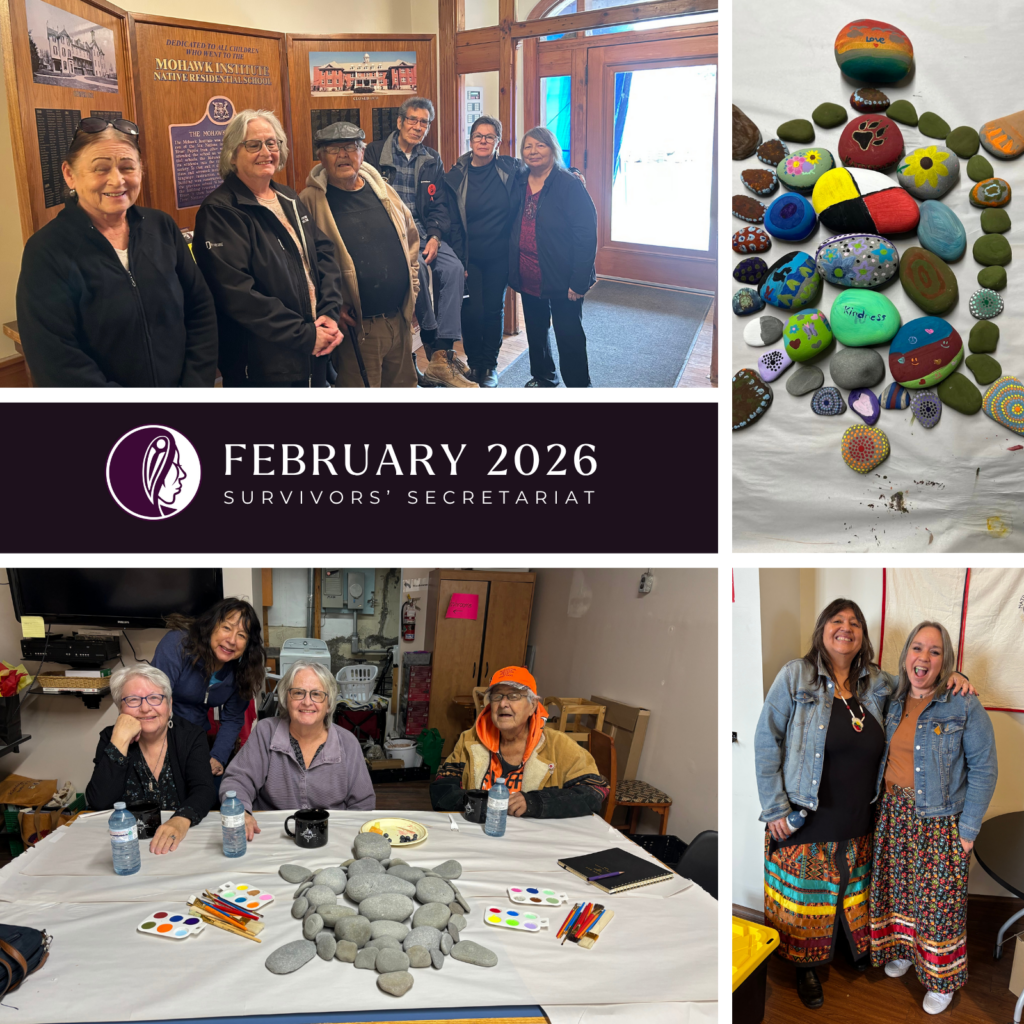
February focused on partnership development, community engagement planning, and wellness support for Survivors and families. Staff worked closely with partner organizations to prepare upcoming workshops, gatherings, and collaborative initiatives while participating in training that strengthened trauma-informed practices and organizational capacity. Additional Survivor testimonies were also recorded for the Stolen Childhoods travelling exhibit, supporting the exhibit’s final phase of development.
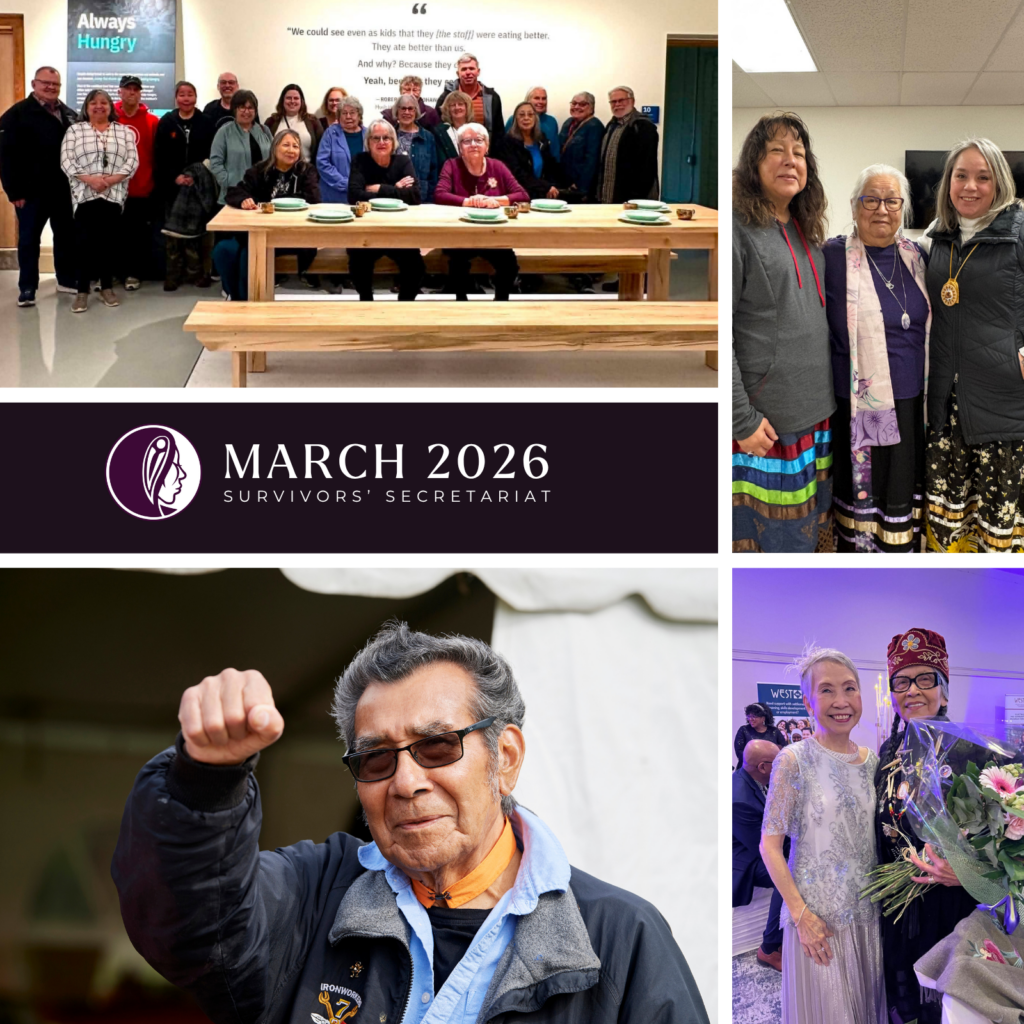
March concluded the fiscal year with several significant milestones. Federal funding for the 2025–2026 fiscal year was confirmed on March 29, providing long-awaited support for the Secretariat’s ongoing work.
Survivors of the Mohawk Institute participated in the Bridging Generations event hosted by Brantford Native Housing, creating meaningful opportunities for learning, listening, and intergenerational dialogue.
The Outreach and Wellness Team also attended the Roots of Strength and Healing gathering at the Hamilton Regional Indian Centre, where teaching reinforced the importance of traditional wellness practices and carrying cultural knowledge forward.
As we reflect on our 2025-2026 milestones, the Secretariat recognizes the resilience, courage, and determination that made them possible. Despite significant funding delays and ongoing challenges, Survivors continued to lead with unwavering strength, supported by dedicated staff, board members, Knowledge Keepers, Elders, community partners, researchers, volunteers, and allies who believe that truth must be uncovered and protected.
Together, we advanced investigations, strengthened partnerships, expanded public education, preserved invaluable records, and laid out the groundwork for future generations to better understand the history and lasting impacts of the Mohawk Institute. While much work remains, the progress made this year reinforces our shared commitment to Bringing the Children Home.
To read our 2025-2026 Annual Report and Financial Statements, please click the buttons below.