
In honour of International Women’s Day 2026, the Survivors’ Secretariat is proud to highlight the leadership, knowledge, and lived experience of Indigenous women whose work continues to shape pathways toward healing, justice, and Indigenous self-determination.
This spotlight features Tanya Talaga, Dawn Cheryl Hill, Brenda Reynolds, and Tabitha Curley, four Indigenous women with distinct professional paths and personal histories, united by their commitment to truth-telling, community care, and supporting Survivors of Indian Residential Schools and their descendants. Each woman brings a unique perspective and a variety of experience which reflects the diverse ways Indigenous women lead, across generations and fields of work.
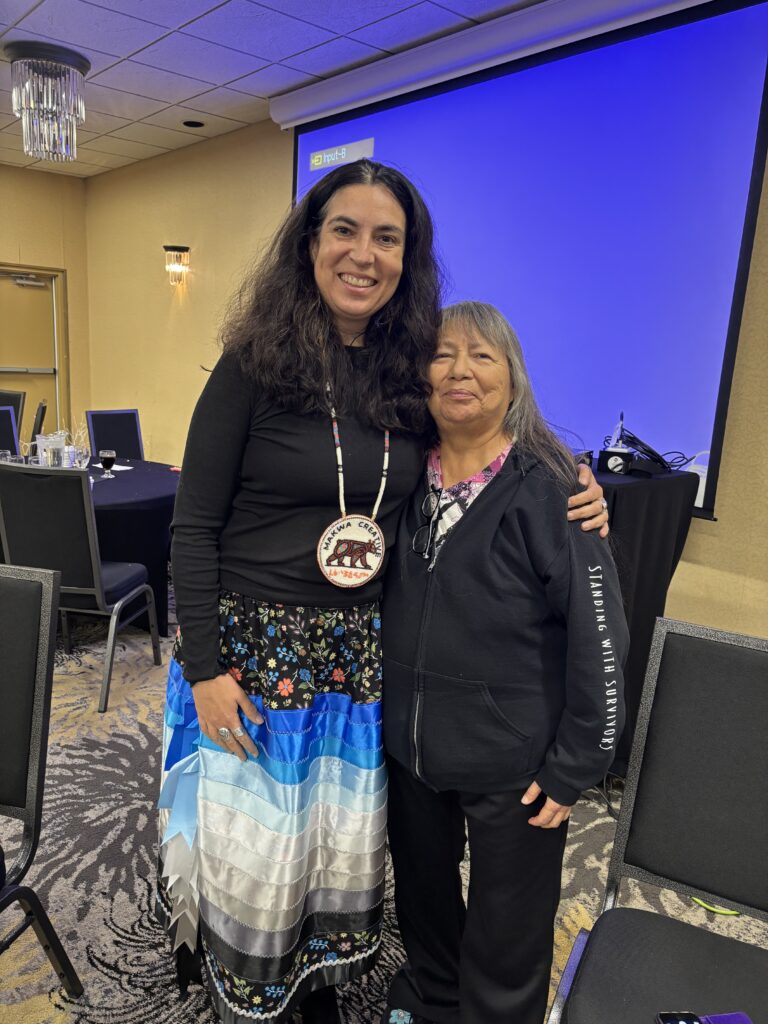
All four of these women have worked with the Survivors’ Secretariat in meaningful ways, contributing their expertise to initiatives that center Survivors’ voices, address intergenerational trauma, and uphold Indigenous knowledge systems. Their work demonstrates that healing is not singular or linear; it is carried through stories, advocacy, policy, culture, and care.
This blog will share their personalized reflections and insights on Indian Residential Schools, intergenerational trauma, Indigenous rights, and/or the responsibilities Indigenous women carry as leaders, caregivers, and changemakers. Together, their voices honour those who came before, support those healing today, and strengthen the generations yet to come.
Spotlight: Tanya Talaga- Author, and Indigenous Advocate
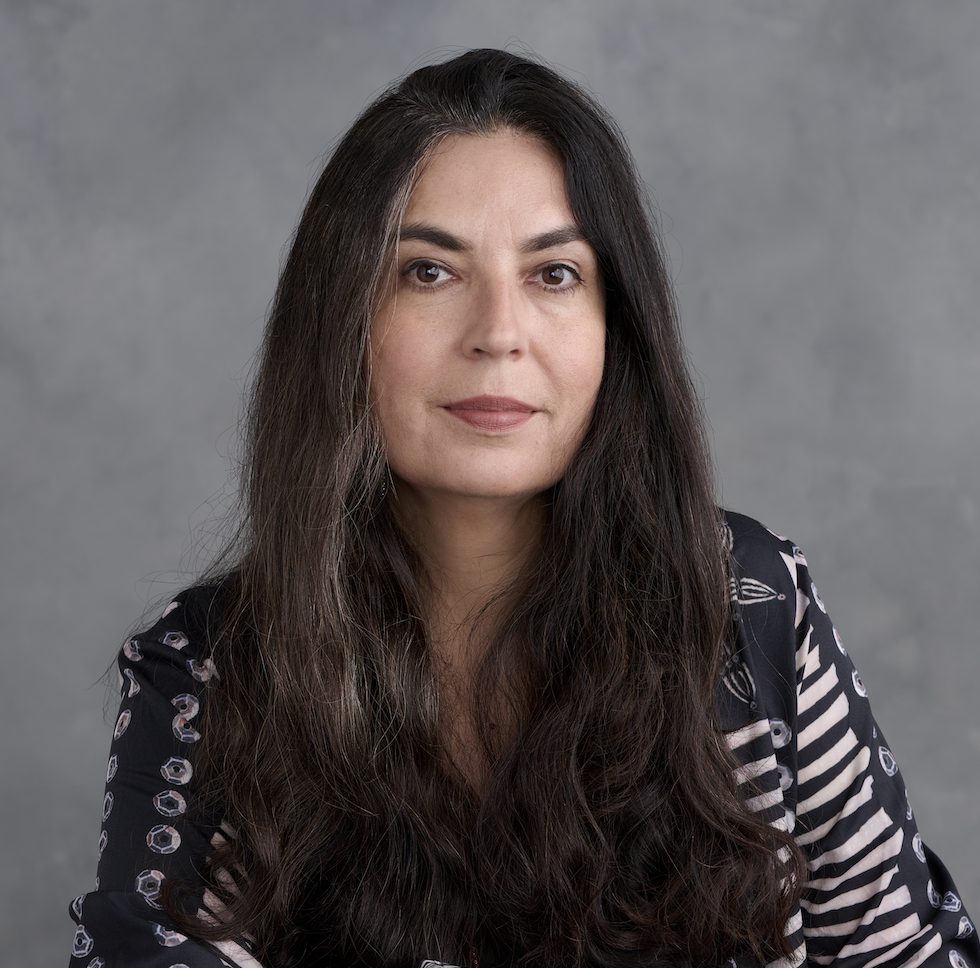
Tanya worked as a journalist at the Toronto Star for over 20 years, covering various topics, including health, education, and Indigenous affairs. Currently, she is a regular columnist at The Globe and Mail. Her first book, Seven Fallen Feathers, delves into the deaths of seven Indigenous high school students in Thunder Bay, Ontario. The book received numerous accolades, including the RBC Taylor Prize and the Shaughnessy Cohen Prize for Political Writing.
In 2024, Tanya released The Knowing, a deeply personal and meticulously researched work that examines the history of Indian Residential Schools, “Indian hospitals,” and asylums. The book traces her family’s experiences and the broader systemic oppression faced by Indigenous peoples in Canada. Beyond her writing, Talaga is the founder of Makwa Creative Inc. a production company formed to elevate Indigenous voices and stories through podcasts and documentary films.
Tanya Talaga has collaborated with the Survivors’ Secretariat as a speaker at its gatherings, advocating for Indian Residential School Survivors and supporting the Secretariat’s work to create pathways for truth, healing, and accountability.
Q: What advice would you offer to Indigenous youth about engaging with political systems to advocate for accountability and justice?
A: If we don’t speak up, our voices are not heard. You have every right to speak up. Advocacy can appear in many ways. It doesn’t always have to be loud, on your feet and at a demonstration. You can use words, essays, books, graphic novels, social media, music, films, whatever your most comfortable medium is. Our messages can be transmitted in many shapes and forms. The important thing is that you understand that your voice is valuable, and your ancestors put you on this earth to ensure you use it.
Spotlight: Dawn Cheryl Hill Indigenous Author & Social Worker
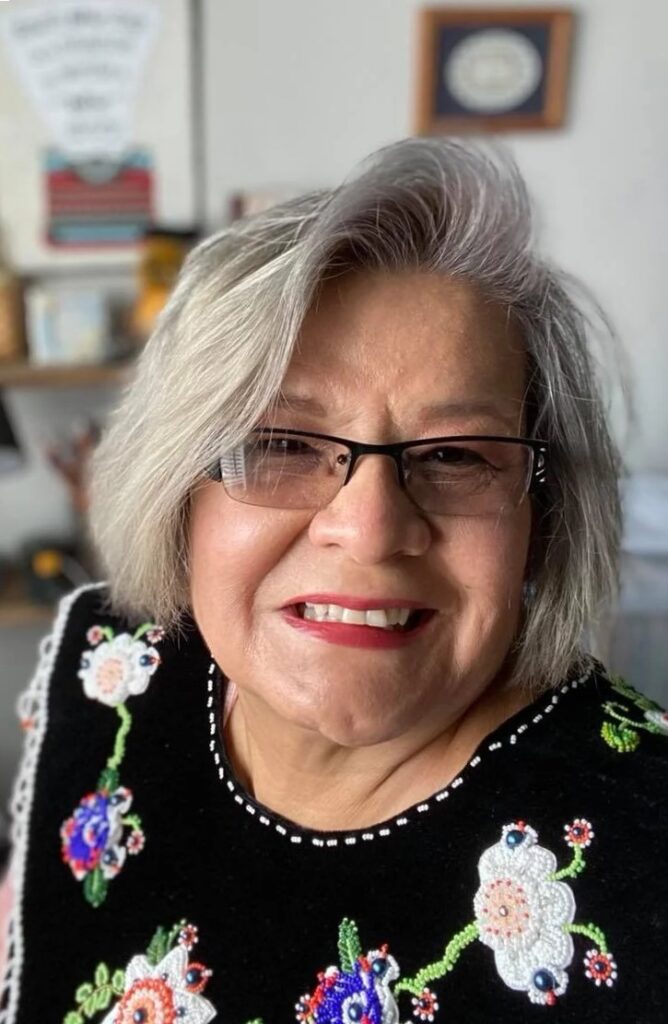
As a psychotherapist in her private practice, Sacred Circle Healing, Dawn combines her professional expertise with personal experience to support Indigenous healing. Dawn has over 20 years of experience working with diverse clients honoring culturally informed techniques blended into a therapeutic setting. She is well versed in the impact of residential schools, racial discrimination and oppression, murder and missing Indigenous peoples, cultural genocide, and forced assimilation. Her book, Memory Keeper, is a collection of stories from the author’s life, which speaks to the residual pain and dysfunction the legacy of the Residential School System has created. Dawn specializes in the integration of cultural knowledge, cultural practices and narrative therapy to help with healing and well-being while making a transformational impact.
Dawn Cheryl Hill reminds us that healing is possible, and that sharing our truths is a step toward resilience and renewal. Her work inspires us all to honour the past while building a stronger, and better future for Indigenous communities.
Beyond her professional achievements, Dawn has supported the Survivors’ Secretariat by attending gatherings and advocating for Survivors of the Mohawk Institute Indian Residential School.
Q: What advice would you give to Survivors who may feel silenced or overwhelmed by the weight of history?
A: As a psychotherapist and a writer, I understand the significance of incorporating storytelling and oral tradition into the healing processes, especially when addressing intergenerational trauma. The impact of historical events such as Indian Residential schools has often led to a fracture in identities, the destruction or silencing of knowledge systems (epistemicide) often those held by marginalized or indigenous communities, in favor of dominant knowledge systems. This forced destruction of culture, loss of language, spiritual beliefs, ceremonies, songs, and forced assimilation policies all created a need for innovative approaches to healing.
I can’t help but feel a sense of responsibility in discussing these crucial topics that continue to impact our communities. From systemic racism to the healing power of land-based practices, the journey towards decolonization and addressing historical trauma is a complex, yet vital one.
Utilizing guided, creative writing helps to process interpersonal trauma; it can also lower our blood pressure, strengthen our immune systems, decrease anxiety and depression, and help us to envision a better life. Writing and telling our stories can increase our general sense of well-being, improve our sleep, and bring greater focus and clarity as it quiets our mind.
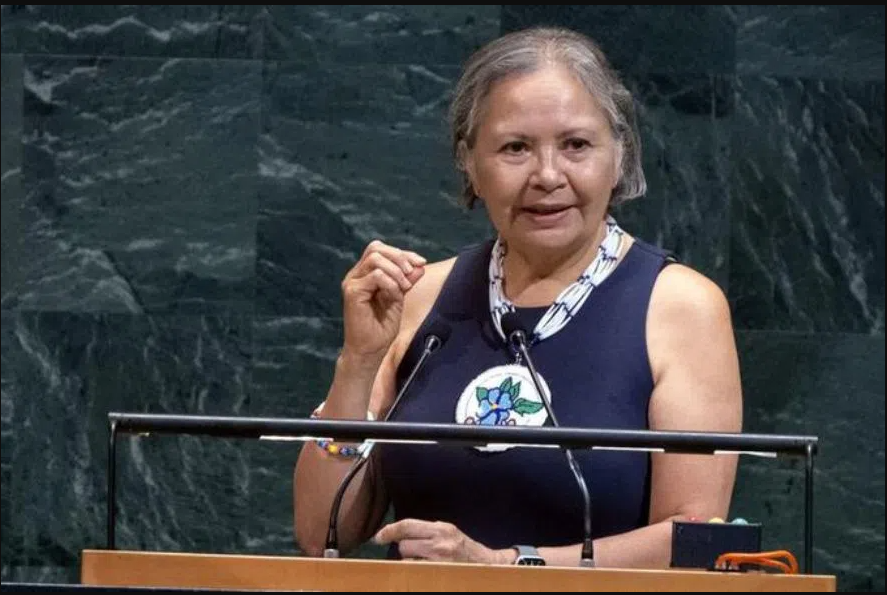
Brenda Reynolds is a Saulteaux social worker from Fishing Lake First Nation in Saskatchewan. Since 1988, she has been dedicated to supporting Indigenous communities, especially Survivors of the Indian Residential School system. Brenda played key roles in developing culturally safe mental health programs and policies, including the Indian Residential Schools Settlement Agreement and the Indian Residential Schools Resolution Health Support Program.
Her advocacy extends beyond direct support; Brenda has contributed to Indigenous health policy development, including the Alberta Medical Association’s Indigenous Health policy, and has led training on Indigenous cultural safety.
In 2025, Brenda was honoured with the United Nations Nelson Rolihlahla Mandela Prize, recognizing her lifetime commitment to leadership, service, and advancing Indigenous rights and trauma-informed care. Brenda’s work continues to inspire and guide efforts toward healing, justice, and a more inclusive future for Indigenous peoples across Canada.
Brenda has contributed to the Survivors’ Secretariat through trauma-informed staff training, speaking at Survivor gatherings, and assisting with mediation, all of which help strengthen the Secretariat’s work and support for Survivors.
Q: How can people in Canada become active allies and champions in supporting Indigenous women leading the way toward justice and healing?
A: Canadians can become true allies by practicing cultural humility first, listening without assuming expertise, acknowledging privilege, and respecting Indigenous women’s leadership. This means supporting community-led solutions rather than imposing non-Indigenous ideas. Cultural humility also requires learning from mistakes, being open to correction, and acknowledging that allyship is an ongoing commitment rather than a fixed identity.
Q: How can governments and health systems improve support for Indigenous mental wellness in the context of intergenerational trauma?
A: Governments and health systems must prioritize cultural humility in policy and practice, acknowledging past harms and recognizing the limits of Western models. Cultural humility requires genuine partnerships with Indigenous communities, where Elders, knowledge keepers, and women leaders guide the design of mental wellness services. Rather than prescribing solutions, systems should defer to Indigenous-defined approaches, ensuring support reflects community values, strengths, and healing traditions.
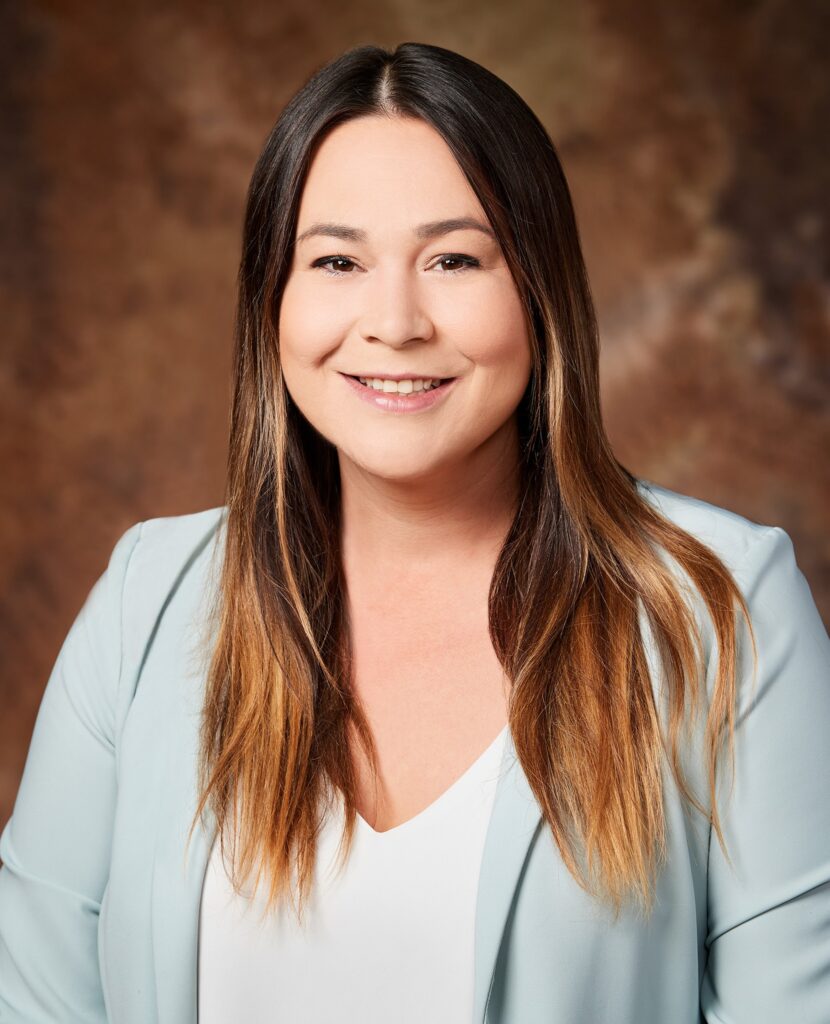
Tabitha Curley, is a proud member of the Six Nations of the Grand River, representing the Beaver Clan of the Onondaga Nation. With over a decade of experience in communications, she specializes in bridging the gap between Indigenous communities and organizations through culturally informed strategies.
In 2020, Tabitha founded Fluid Consulting, a communications firm dedicated to serving Indigenous communities. Drawing from her tenure as Manager of Communications at the Six Nations of the Grand River Development Corporation, she recognized the unique challenges Indigenous communities face in communication and sought to address them through tailored services.
Tabitha has contributed to significant projects for the Survivors’ Secretariat, where she has been instrumental in communications initiatives related to unmarked burials at the former Mohawk Institute Indian Residential School. Tabitha’s work is deeply personal; as an intergenerational Survivor, she is committed to using her skills to amplify Indigenous voices and support community healing and empowerment.
Q: What message would you share with Indigenous youth who are navigating the intergenerational impacts of Residential Schools?
A: Intergenerational Survivors: Your experiences are valid. The impacts Indian Residentials Schools had on your childhood, your relationships, and your interactions with your community and with the people of Canada are real. While there is still much, we do not fully understand. We know that some experiences are too painful or complex to speak about openly. Creating brave spaces for ourselves, and eventually for our families, is part of learning how trauma ripples across generations, and how we can help carry the responsibility of healing, so it is not passed on to our children and future generations.
For many of our parents, grandparents, and relatives, it is difficult to talk about a time in their lives marked by isolation, loss, and profound harm. Their childhoods, for better or worse, were shaped by their experiences in those so-called schools. Many were denied basic expressions of love and care with no one to hug them, comfort them when they were hurt, listen to their fears, or celebrate their successes. The impacts of the school did not end with them; it shaped how they raised their children, how families functioned, and how Survivors and their families relate to others throughout their lives.
Family members who attended Indian Residential Schools should have control over what they share and when. Some may speak through stories, humour, anger, long pauses, or even body language rather than direct explanations. Some may want to talk in pieces, others not at all, and that choice must be respected. If the conversation does occur, listen from a place of compassion. Your silence, patience, and presence can be more healing than words.
Hearing these stories can stir up grief, anger, or confusion. It is okay to step back, take breaks after difficult conversations, and seek support to help process what you have heard or shared. Caring for yourself is part of caring for your family, and it helps ensure these conversations remain grounded, respectful, and safe for everyone involved.
Happy International
Women's Day
Survivors’ Secretariat expends their gratitude to Tanya Talaga, Dawn Cheryl Hill, Brenda Reynolds, Tabitha Curley. We thank them for their generosity in sharing their voices and wisdom.
Their contributions not only strengthen the Survivors’ Secretariat’s work but also light the way for future generations of Indigenous women. Together, we celebrate your achievements, your vision, and the ongoing impact of your work.
Nia:weh. Miigwetch for sharing your words with us. Happy International Women’s Day!